
Spondylolisthesis
Spondylolisthesis: when a vertebra slips out of place
A vertebra slipping over another can go unnoticed for years or cause persistent lower back pain. Understanding spondylolisthesis explains many back complaints.
 Dr. Julián Carrillo GonzálezNeurosurgeon. June 5, 2026, 7 min read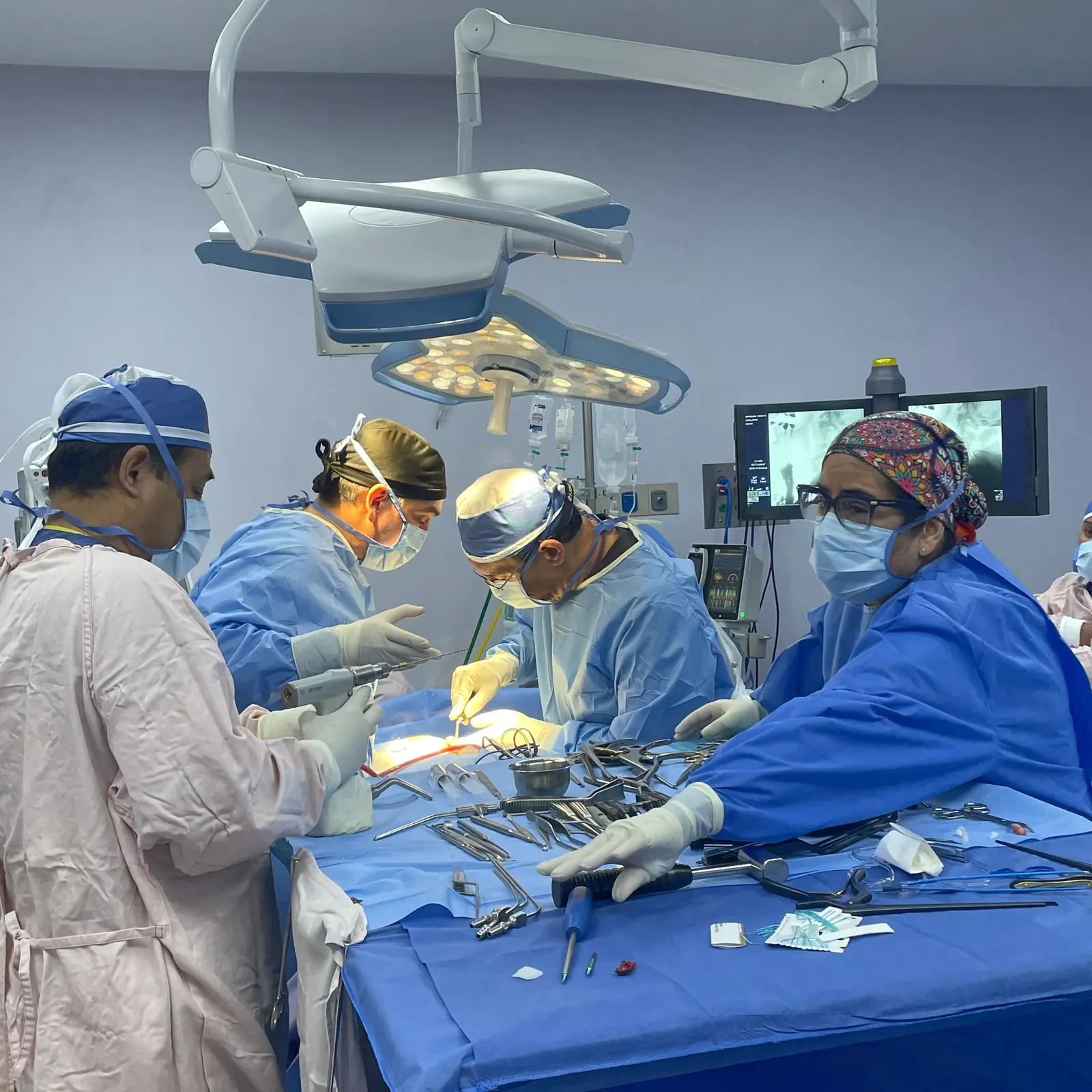
The name sounds complicated, but spondylolisthesis is more common than people think and is often managed without surgery.
What is spondylolisthesis?
It is when one vertebra slips forward over the one below it. The vertebrae are stacked and held together by discs, joints and ligaments; when one of these structures weakens or is injured, the vertebra loses its hold and shifts. This can change the alignment of the spine and press on the nerves.
What causes spondylolisthesis?
- In young people and athletes: small stress fractures in one part of the vertebra, common in activities with repeated arching of the back.
- In older adults: wear of the joints and discs, which over the years stop holding the vertebra in place.
What are the symptoms?
The most common is lower back pain that increases when standing or walking a lot and improves when sitting or leaning forward. If a nerve is compressed, there can be pain into the buttocks or legs, with tingling, numbness or weakness.
Does every spondylolisthesis cause symptoms?
No. Many are found by chance on imaging done for another reason and only need follow-up. The problem starts when the slip progresses or begins to affect the nerves.
How is it treated?
It depends on how far the vertebra has slipped, how intense the symptoms are and how it affects your daily life. Conservative treatment is often enough: strengthening the muscles, correcting posture and controlling pain. Surgery is reserved for slips that progress, pain that does not respond to other measures or weakness in the legs.
When should I see a doctor?
When lower back pain persists, limits your activities or comes with tingling, numbness or loss of strength in the legs. The evaluation shows how far the vertebra has slipped and lets you choose the right treatment.
In summary
Recognizing spondylolisthesis in time keeps a treatable condition from becoming more limiting and helps protect the stability of the spine.
This article is for information only and does not replace a medical visit. If you have warning signs, go to the emergency room.