
Herniated disc
Herniated disc: real symptoms, common myths and when to see a doctor
A herniated disc is a common cause of spine pain, but also one of the most misunderstood. Knowing the real symptoms and the myths helps you make better decisions.
 Dr. Julián Carrillo GonzálezNeurosurgeon. January 5, 2026, 7 min read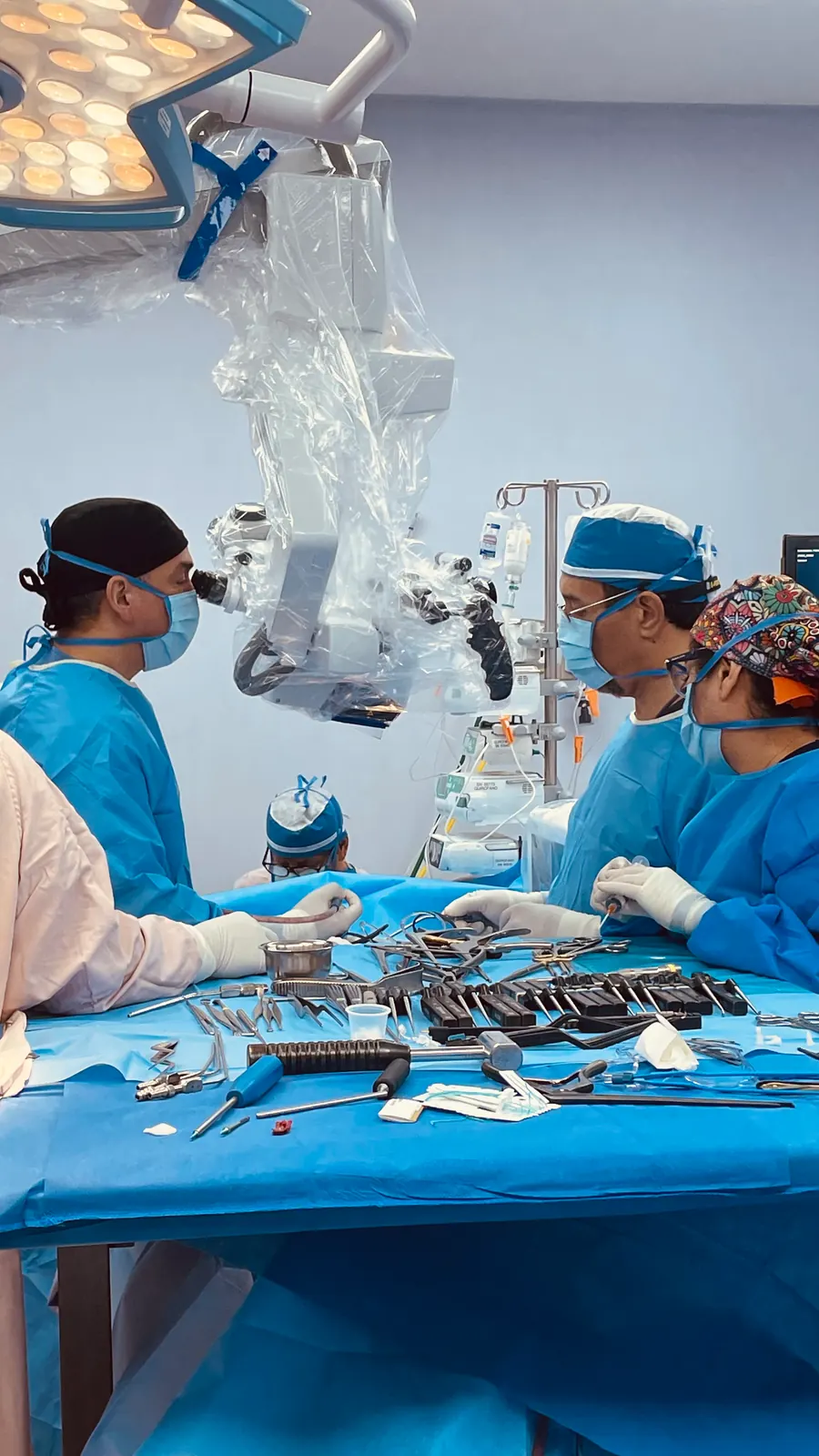
A herniated disc is one of the most common causes of spine pain and, at the same time, one of the most confusing. Many people get the diagnosis without understanding what it means, and others blame any back pain on a herniated disc without a proper evaluation.
What is a herniated disc?
A herniated disc happens when part of the disc that cushions two vertebrae moves out of place or tears and presses on a nearby nerve. Between the vertebrae are discs that allow movement and absorb impact; when they wear down or are injured, they can compress the nerves and cause symptoms.
Does every herniated disc cause pain?
No. Many herniated discs cause no symptoms and are found by chance on imaging done for another reason; those do not need specific treatment. The problem starts when the disc presses on a nerve or causes inflammation in the area.
What are the symptoms of a herniated disc?
The most characteristic symptom is pain that runs down an arm or a leg along a defined path, because the affected nerve carries the pain along its course. These are also common:
- Neck or lower back pain.
- Tingling, numbness or an electric-shock feeling in the arms or legs.
- Weakness in an arm or a leg.
Weakness is the most important sign: it means the nerve is not just irritated but may be more seriously compromised. When strength starts to decrease, get an evaluation.
Common myths about herniated discs
"It only happens to older people." False. Spine wear increases with age, but herniated discs also appear in young adults, especially with poor posture, physical overload or previous injuries.
"Complete bed rest is best." False. Staying still for a long time increases stiffness and slows recovery. Treatment usually includes controlled movement and adjustments to daily activity.
"Every herniated disc needs surgery." False. Most patients improve with conservative treatment and medical follow-up.
When does a herniated disc need surgery?
Surgery is considered only in specific situations: when loss of strength is progressing, when bladder or bowel control is affected, or when pain does not respond after weeks of proper treatment. In the visit, your symptoms and imaging are reviewed to decide whether it is really necessary.
When should I see a specialist?
Get an evaluation if the pain is severe, gets worse or does not go away, if tingling or numbness does not ease, or if weakness appears in the arms or legs. Also if the pain started after a blow or comes with fever.
What happens in the visit?
The goal is not to alarm you but to understand what is going on. The clinical evaluation and physical exam show whether the symptoms come from a herniated disc or another cause. Sometimes imaging such as an MRI is ordered, but it is not always needed from the start.
In summary
- Not every herniated disc hurts or needs treatment.
- Pain running down an arm or leg and weakness are the key signs.
- Most improve without surgery.
- Persistent pain should not be accepted as normal: a timely evaluation lets you choose the best treatment.
This article is for information only and does not replace a medical visit. If you have warning signs, go to the emergency room.